Play, read and talk: learning tools created through research.
The Kano Lab shares its research not only through papers, but through games and books. Games are more than tools for memorising information. They create a research space in which players ask questions, explain, cooperate and make decisions. Books bring together the background, methods and practices of a project so that readers can use them in their own contexts.
Educational games
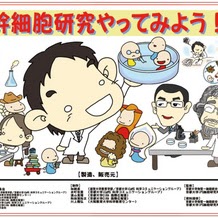
Try Stem Cell Research!
A board game through which players experience the differentiation of pluripotent stem cells and the everyday work of researchers. It includes failed experiments, funding, conferences, collaboration and ethical questions—not only successful science.
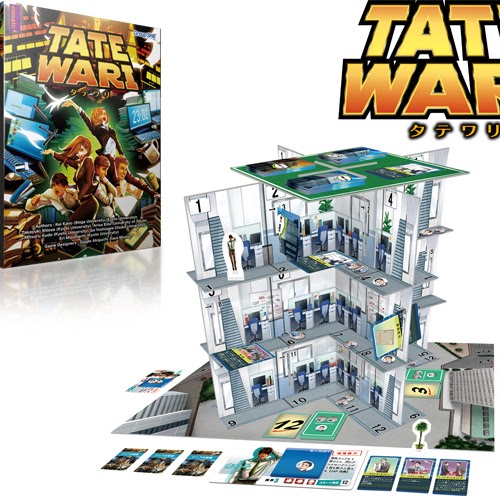
TATEWARI
A three-dimensional cooperative game that makes visible the fragmentation of information across organisational divisions. Players hold different roles and pieces of information and must communicate to solve a shared task.
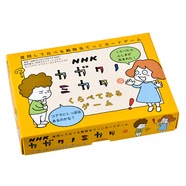
The Comparing Game
A card game in which players generate questions about familiar objects and compare, classify, arrange and predict. The central skill is not knowing the answer in advance, but developing productive questions and new viewpoints.
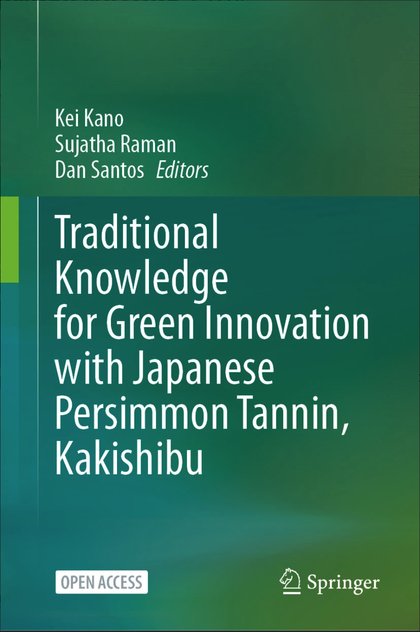
Traditional Knowledge for Green Innovation with Japanese Persimmon Tannin, Kakishibu
An open-access international volume on the history, views of nature, material science, education and social implementation of Kakishibu.
Are You Handling It Responsibly? Literacy for the Use of Educational Data
A Japanese-language volume examining educational data and EdTech in the age of generative AI through educational purpose, ELSI and the agency of teachers and learners.
Dialogue Training for Researchers, Research Professionals and Graduate Students
A practical Japanese-language guide to listening, communicating and sharing questions across difference.
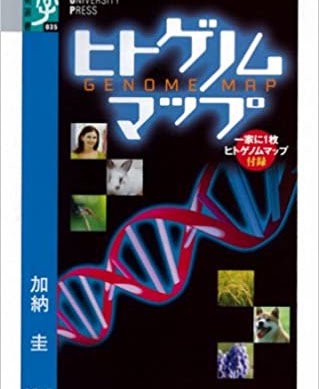
Human Genome Map
A Japanese-language companion to Human Genome Map for Every Home, covering genome basics, inheritance, protein function, frontier research, ELSI and genome literacy.
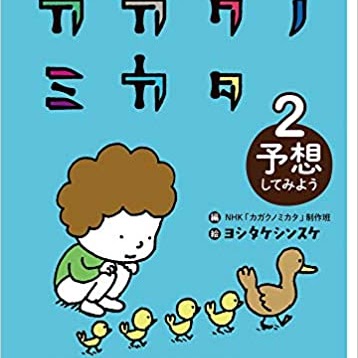
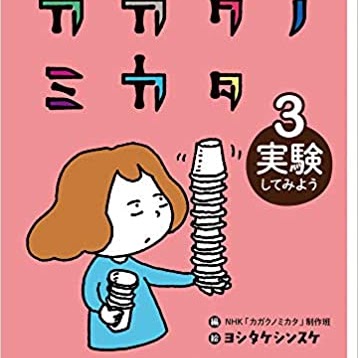
Books related to NHK’s Viewpoint Science
Resources for finding questions in familiar phenomena and enjoying scientific ways of seeing and thinking at home and at school.
Using the resources in teaching and professional learning
For each resource, explain the target group, number of participants, time, role of the facilitator and reflection questions. Learning is not created by distributing a game alone; dialogue during play and reflection afterwards should be designed as part of the activity.
Researching games and books
We welcome research on:
questions, explanations and cooperation during play;
learning outcomes and changes in attitudes;
accessibility for deaf and hard-of-hearing learners;
multilingual and cross-cultural adaptation;
comparisons across schools, universities and professional learning;
co-design with participants; and
differences between digital and face-to-face versions.